Pokemon Card Storage in Australia: How the Weather Ruins Cards and How to Stop It
A card can survive a clumsy hand. What it struggles to survive is the room it sits in.
Contents
A card can survive a clumsy hand. What it struggles to survive is the room it sits in. The environment a collection lives in does more long-term damage than any single accident, and most of that damage is quiet: heat, humidity and light work slowly, the damage adds up, and often you can't see it until the card is already compromised.
This guide to Pokemon card storage in Australia covers what heat, humidity and ultraviolet light actually do to a card, the temperature and humidity worth aiming for, and the sleeves, boxes and display habits that get you there.
What heat and humidity do to a card
Start with moisture. Above about 60% relative humidity, the paper in a card absorbs water and swells, and about 90% of that swelling goes into the card's thickness rather than along its length or width. The paper softens and deforms easily in that state.
Modern foil cards add a twist: the metallised PET foil layer is waterproof, so any moisture that finds its way in is trapped against the paper base, speeding up debonding between the coating and the paper and raising the risk of delamination.
Leave relative humidity above 70% for long stretches and mould moves in; the secretions it leaves behind permanently damage paper fibres and ink.
Dry isn't the safe end of the scale, either. Below 30% relative humidity the paper loses water, shrinks and turns brittle, and its folding strength drops; edges and corners whiten or chip from knocks they would once have shrugged off. Long dry periods also raise the risk of micro-cracks, and the cards most at risk are the ones already carrying a light crease.
Heat does its own damage: extreme heat warps cards, and warmth speeds up the aging of coatings and the breakdown of adhesives.
The conditions to aim for
The storage targets collectors and conservators work to are 35-45% relative humidity and 18-22°C, with minimal daily movement. The humidity band is the museum archival standard, protecting against both drying out and mould. The temperature band keeps off the heat that ages coatings and breaks down adhesives. The daily swing should stay under about 5% relative humidity and 3°C, because repeated swelling and shrinking fatigues the card.
Where the collection lives matters too: live somewhere humid, or keep the boxes in a basement, garage or attic, and the job calls for active humidity control.
Measuring humidity, then controlling it
None of that is manageable until you can see the number. A digital hygrometer takes the guesswork out: put one inside the storage box and check it monthly. Readings consistently above 55% mean it's time to act.
The most practical first defence is silica gel. One or two standard packets in a plastic box holding 1,000 to 2,000 sleeved cards do the job for 2-3 months in normal conditions. Rechargeable silica gel can be dried in an oven and used again. For a serious setup, a small dehumidifier or a sealed storage cabinet with built-in desiccant control stops humidity spikes altogether.
Display cases need the same attention on a smaller scale: keep a silica gel packet tucked behind the card mount, check it every few months and especially through rainy stretches, and replace it the moment you notice fogging or dampness.
Live eBay Deals
Sponsored · #ad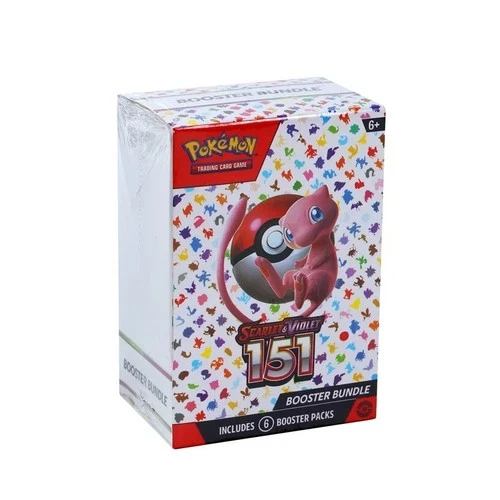 SAVE $218.17
Pokemon TCG Scarlet & Violet 151 Booster Bundle Sealed New AU
 SAVE $188.93
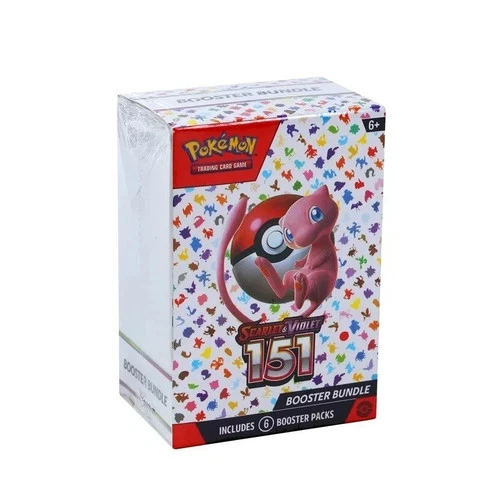
Pokemon TCG Scarlet & Violet 151 Booster Bundle Sealed New
Get notified immediately.
Receive alerts when stock is available, so you don't miss out.
Pulled something worth grading? Ark Grading does it in Melbourne, no overseas shipping, no 5-month wait. CardTracker readers get 5% off with code CARDTRACKER.
Grade with Ark →Sleeves and toploaders
Penny sleeves are the most affordable option. For bulk, that is all a card needs: standard bulk cards benefit more from penny sleeves and a storage box, which is the cost-effective way to run a large collection.
Toploaders, the rigid holders a sleeved card slides into, are for the smaller set of cards that justify them: high-value cards in mint condition, anything heading to a grading submission, and cards with special significance to your collection.
Storage boxes: cardboard, plastic or metal
Once sleeved, cards need somewhere to sit, and the box is an environmental choice as much as a storage one. Standard cardboard storage boxes are the cheap option, but they absorb moisture and offer minimal environmental protection. A cardboard shoebox works for the short term, 3 to 6 months, if it lives in a cool, dry closet away from sunlight; over longer periods cardboard absorbs moisture, so it isn't a long-term answer. Inside either, organise with acid-free dividers or folded acid-free paper.
Plastic is the step up, with one caveat about type: polypropylene, not PVC, seals out dust and gives far better control over conditions. Metal combines durability with moisture resistance and adds protection against physical damage.
What not to use
Some everyday storage choices work against the cards inside them:
- Standard, non-acid-free cardboard boxes and paper: they yellow cards and promote brittleness.
- PVC sleeves and containers: they off-gas chemicals that damage card stock.
- Rubber bands and tape: they leave residue and crease cards.
- Grocery-store plastic bags: they trap moisture and aren't archival-safe.
- Newspaper or magazine pages as dividers: the ink and paper are acidic.
Sunlight, display cases and UV
Light is the third threat, and it works on the surface. Long-term UV exposure yellows and embrittles a card's coating and dulls its gloss, and the polymer chains in the coating break down, lowering adhesion. Ink fades too: the organic pigments in ink react photochemically under UV and gradually lose colour.
Not all clear plastic blocks it. Standard acrylic lacks the molecular structure to stop ultraviolet radiation. The wavelengths that do the damage sit between 380 and 400 nanometres, the main culprit behind holographic foil oxidation and colour fading. So when you're choosing a display case, ignore vague terms like "clear protection" and look for specifications that state UV filtration percentages or wavelength ranges.
Even a UV-filtering case doesn't make a sunny windowsill safe: prolonged direct sunlight generates heat, which can warp cards and degrade adhesives, so display away from direct window light.
The frame deserves a check as well. Wood contains acids that can off-gas and react with card surfaces, causing yellowing or brittleness. Look for "acid-free", "lignin-free" or "buffered" on the packaging, and if none of those terms appear, assume the product isn't archival-safe.
This guide comes from CardTracker.au, which monitors Australian retailers and eBay Australia for trading card stock, restocks and price drops, and calculates a genuine Australian market price for singles and sealed product rather than converting a US figure.
Live eBay Deals
Sponsored · #ad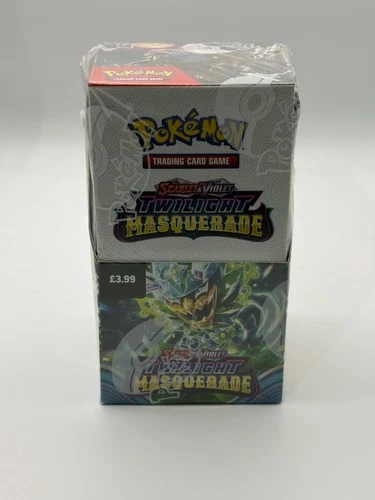 SAVE $340.44
Pokémon - Twilight Masquerade Half Booster Box (18 Packs) - LOT 3
 SAVE $156.10
Pokemon 30th Celebration Mewtwo Figure Collection NEW SEALED ✅CONFIRMED PRESALE✅

Explore CardTracker.au
📬 Monthly TCG Updates and Market Recap
Sign up for our mailing list. No spam - just the best deals and local market trends.
Please check your spam folder for the confirmation email!