How to Buy Pokemon Cards Safely From Sellers Online in Australia
Buying cards directly from another collector online means no retailer and no platform standing behind the transaction. A practical safety checklist for Australian buyers, covering photo verification, graded-card cert checks and safe payment methods.
Contents
- 1. Check the price against real market data, not the asking price
- 2. Treat listing photos with suspicion by default
- 3. Verify graded cards against the grader's own lookup
- 4. Use a payment method that actually offers protection
- 5. Prefer a seller with reviews and transaction history over one with none
- 6. Know that trading is an option, not just cash
Buying a Pokemon card directly from another collector, rather than a retailer, usually means a better price and a seller who actually knows what they've got. It also means there's no store standing behind the sale if something goes wrong. None of this is a reason to avoid peer-to-peer buying - it's just a reason to know what to check before you pay anyone, on any platform.
1. Check the price against real market data, not the asking price
A seller's asking price tells you what they want, not what the card is worth. Before messaging anyone, look the card up against CardTracker's Pokemon TCG market prices - built from real Australian sold and active listing data, not a converted US figure. On CardTracker Marketplace this is already done for you: every listing shows an honest "% below market" tag the moment you open it, instead of a bare number you'd otherwise have to go research yourself.
2. Treat listing photos with suspicion by default
The single most common way graded-card sales get scammed is reused photos: someone copies a genuine seller's images of a real card, lists them as their own, takes payment, and never ships anything. There's no way to tell a reused photo from a fresh one just by looking at it - which is exactly why CardTracker Marketplace requires every seller to photograph a handwritten note showing their display name and today's date, visible in at least one photo of the listing. If a listing on any platform doesn't have something equivalent tying the photos to a specific, current, identifiable seller, treat that as a red flag rather than an oversight.
3. Verify graded cards against the grader's own lookup
Certification numbers on graded slabs - PSA, CGC, BGS - are public and checkable, but most places you might buy from don't actually require a seller to provide one, let alone check it. If a listing claims a grade, ask for the cert number and look it up yourself on the grader's own public population/cert lookup before paying anything, to confirm the slab is real and the grade matches what's claimed. CardTracker Marketplace captures the certification number as a required field on graded listings specifically so you can do this before ever messaging the seller - 18 of the 35 Australian collectors in our pre-launch survey specifically asked for this capability, more evidence it's a real, common concern rather than an edge case.
Live eBay Deals
Sponsored · #ad SAVE $678.04
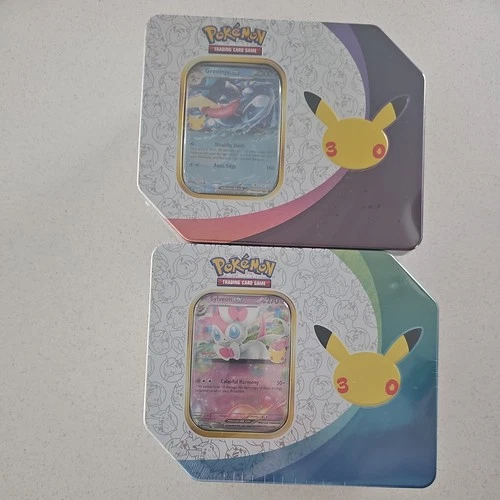
Pokémon TCG 30th anniversary Celebrations tin Greninja V-UNION X2)
 SAVE $670.39
Pokémon TCG 30th Anniversary Celebrations 5 Packs Booster Tin X 2 🔥 Sealed
Get notified immediately.
Receive alerts when stock is available, so you don't miss out.
Pulled something worth grading? Ark Grading does it in Melbourne, no overseas shipping, no 5-month wait. CardTracker readers get 5% off with code CARDTRACKER.
Grade with Ark →4. Use a payment method that actually offers protection
Payment for a peer-to-peer card sale almost always happens off-platform, directly between buyer and seller - that's true on CardTracker Marketplace, Facebook, and most private eBay-adjacent deals alike. Not every payment method gives you recourse if something goes wrong, and a direct bank transfer to a stranger offers essentially none. Read a platform's own safety guidance before you pay - CardTracker's payment and trading safety guide walks through which common methods offer buyer protection and which don't, specifically for this kind of transaction.
5. Prefer a seller with reviews and transaction history over one with none
A review and rating history is the closest thing peer-to-peer buying has to a store's reputation. In our pre-launch survey, 32 of 35 Australian collectors said seller/buyer reviews mattered to them, and 31 said account verification (mobile and email) mattered - both are part of how CardTracker Marketplace accounts work, since listing, messaging and reporting all require a signed-in, verifiable account rather than an anonymous one. A brand-new account with no history isn't automatically a scam, but it's a reason to be more careful, not less.
6. Know that trading is an option, not just cash
If a seller has something you want and you have something they might want, some peer-to-peer platforms - CardTracker Marketplace among them - let a seller mark a listing as open to trade and name exactly what they'd accept, matching you against other collectors rather than forcing a cash sale either way. It doesn't remove the need for the checks above, but it's worth knowing it's on the table.
None of this is specific to one platform - it applies whether you're buying through CardTracker Marketplace, a Facebook group, or a private eBay deal. The platforms that make these checks easy are worth preferring over the ones that don't.
Live eBay Deals
Sponsored · #ad SAVE $1200.26
Indonesian - Fusion Arts Pokémon Booster Box Fusion Strike
 SAVE $23.04
Pokemon TCG Sword & Shield S9 Star Birth Booster Pack
Explore CardTracker.au
📬 Monthly TCG Updates and Market Recap
Sign up for our mailing list. No spam - just the best deals and local market trends.
Please check your spam folder for the confirmation email!